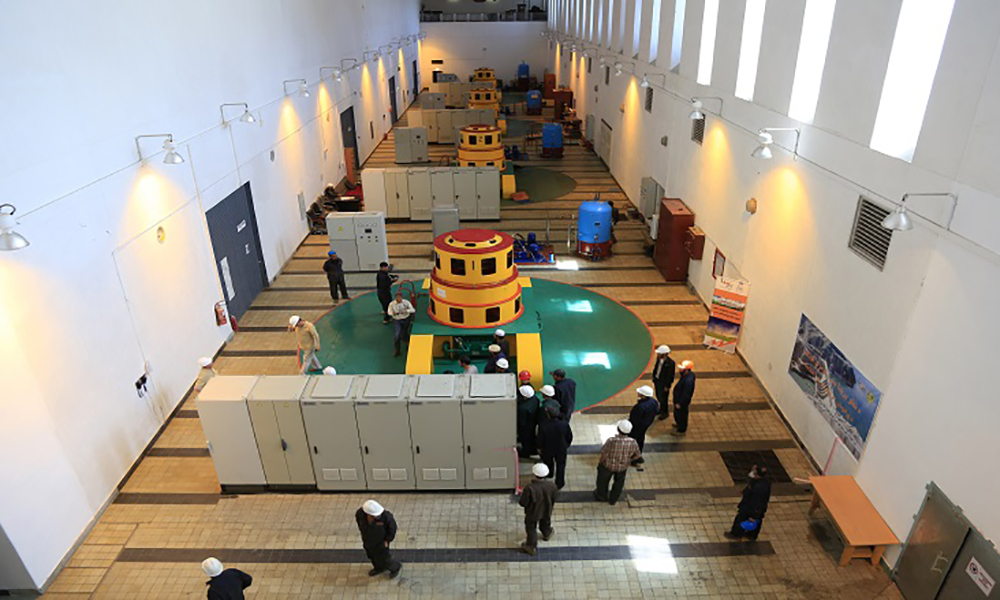
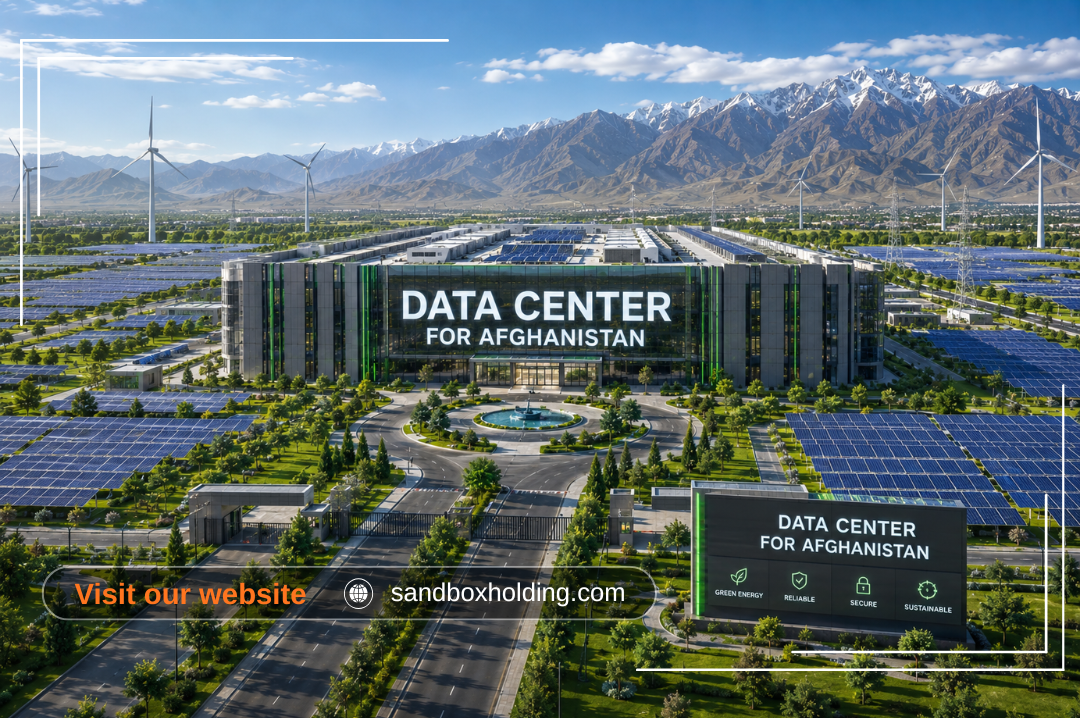
Investment Opportunities in Afghanistan’s Digital Infrastructure: Why Data Centers Could Become One of the Country’s Most Strategic Businesses
Sandbox Holding Research Team
As economies around the world continue to digitize, one industry has quietly become the backbone of modern business, communication, banking, education, and government systems: data centers.
While global markets are investing billions of dollars into digital infrastructure, emerging markets such as Afghanistan remain at the early stages of this transformation. This creates a rare opportunity for forward-thinking investors, entrepreneurs, telecom operators, and infrastructure companies.
For Afghanistan, the future of digital growth may not only depend on internet access itself, but on who builds and controls the infrastructure behind it.
What Is a Data Center?
A data center is a secure facility that stores and manages digital information through powerful computer systems called servers.
These facilities power:
• Websites
• Mobile applications
• Banking systems
• Government databases
• Educational platforms
• Cloud storage
• Security systems
• Business software
Every time someone opens a social media platform, accesses an online banking service, watches a video online, or uses a mobile application, information is being delivered from servers located inside data centers.
In today’s economy, data centers are becoming as important as roads, electricity, and telecommunications infrastructure.
Why This Industry Matters
Over the past decade, internet usage across developing countries has increased rapidly. Businesses are moving online, educational institutions are digitizing operations, and governments are increasingly adopting digital systems.
This shift creates growing demand for:
• Reliable website hosting
• Secure business storage
• Faster digital services
• Local infrastructure
• Backup systems
• Cybersecurity support
Many companies in Afghanistan currently rely on foreign hosting providers located outside the country. While this approach may solve short-term needs, it also creates challenges related to:
• Website speed
• Service reliability
• Data privacy
• Infrastructure dependency
• International connectivity costs
Local digital infrastructure can help solve many of these problems.
Afghanistan’s Untapped Opportunity
Afghanistan remains an underdeveloped market in terms of digital infrastructure. However, this may represent one of its biggest opportunities.
The country already has:
• Growing smartphone usage
• Expanding internet adoption
• Increasing digital awareness
• Young technology-oriented populations
• Businesses moving toward online systems
At the same time, the local market still lacks:
• Large-scale hosting providers
• Professional colocation services
• Local cloud infrastructure
• Advanced backup systems
• Reliable digital storage services
This creates an opportunity for early investors to establish trusted infrastructure businesses before the market becomes highly competitive.
The Most Practical Business Model
For emerging markets, the most effective strategy is not necessarily building massive facilities immediately.
Instead, successful operators often begin with practical, scalable services such as:
• Website hosting
• Business server management
• Backup systems
• Cloud storage
• CCTV storage solutions
• Managed IT services
Over time, these services can evolve into larger colocation and infrastructure operations.
This gradual model reduces financial risk while allowing companies to build trust, technical experience, and recurring revenue.
Why Investors Should Pay Attention
Infrastructure businesses often become highly valuable because they generate recurring income and long-term customer relationships.
Once businesses place their digital systems with a trusted provider, they rarely change providers unless service quality declines.
This creates:
• Predictable monthly revenue
• Long-term contracts
• Strong customer retention
• Scalable growth potential
In many countries, data center companies eventually become strategic national infrastructure providers.
The Critical Challenges
Despite the opportunity, the sector also faces significant challenges.
Electricity Reliability
Stable power is the foundation of any data center operation. Backup systems, generators, and battery infrastructure are essential.
Internet Connectivity
Reliable fiber connectivity and relationships with telecom providers are critical.
Technical Expertise
The industry requires trained engineers, network specialists, and cybersecurity professionals. Security Both physical and digital security systems must meet high standards.
Capital Investment
Even small infrastructure facilities require meaningful upfront investment.
However, many of these challenges can be addressed through phased expansion strategies and partnerships.
The Role of Partnerships
The future success of digital infrastructure in Afghanistan will likely depend on collaboration between:
• Telecom companies
• Private investors
• Educational institutions
• Government agencies
• International organizations
Strategic partnerships can help accelerate infrastructure development while reducing operational risks.
A Long-Term Industry
Digital infrastructure is not a short-term trend. It is becoming a permanent part of modern economic development.
As businesses continue moving online and governments expand digital services, demand for local infrastructure is expected to increase steadily over the next decade.
The companies that establish trusted infrastructure early may become the foundation of Afghanistan’s future digital economy.
Final Thoughts
For years, Afghanistan’s infrastructure discussions have focused primarily on roads, energy, transportation, and telecommunications.
But in the coming decade, digital infrastructure may become equally important.
Data centers are no longer simply technology facilities. They are becoming essential infrastructure for modern economies.
For investors with patience, long-term vision, and operational discipline, this sector may represent one of the most strategic business opportunities in Afghanistan’s future development.
if You Interested to Invest or need to have any Information Please Contact here : ceo@sandboxholding.com
The Entrepreneurship Story of Zamarai Kamgar
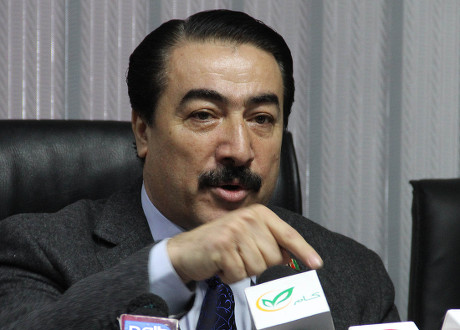
at Sandbox Holding, we are proud of Zamari Kamgar. He is one of Afghanistan’s determined business leaders who has helped build important connections for the country. His journey shows that with vision, persistence, and courage, it is possible to create opportunities even in difficult environments.
Zamarai Kamgar was born in Afghanistan and grew up during a time when the country faced many challenges. Like many Afghan entrepreneurs, he witnessed years of instability, which made business development difficult. However, these challenges also gave him the motivation to invest in industries that could help rebuild the country and connect it to the world.
After 2001, Afghanistan needed reliable transportation and stronger links with other countries. Zamarai Kamgar recognized this need and founded Kam Air, one of the first private airlines in Afghanistan. Through Kam Air, he helped people travel for business, education, and family connections, while also supporting trade and economic growth.
Building an airline in Afghanistan was not easy. The industry faced security risks, limited infrastructure, and financial challenges. Despite this, Kam Air expanded its services and became a key part of Afghanistan’s aviation sector, connecting major cities and international destinations.
Beyond business, Zamarai Kamgar’s work has contributed to job creation and economic development. By investing in aviation, he has helped open doors for professionals, skilled workers, and young people looking for opportunities in the private sector.
What makes Zamarai Kamgar notable is not just his success in business, but his role in helping Afghanistan stay connected to the region and the world. His efforts show the importance of resilience and long-term vision in building essential services.
The story of Zamarai Kamgar teaches us an important lesson:
Entrepreneurship is not only about building companies it is about creating connections, supporting growth, and helping a country move forward.
Success Journey of Shabana Basij-Rasikh
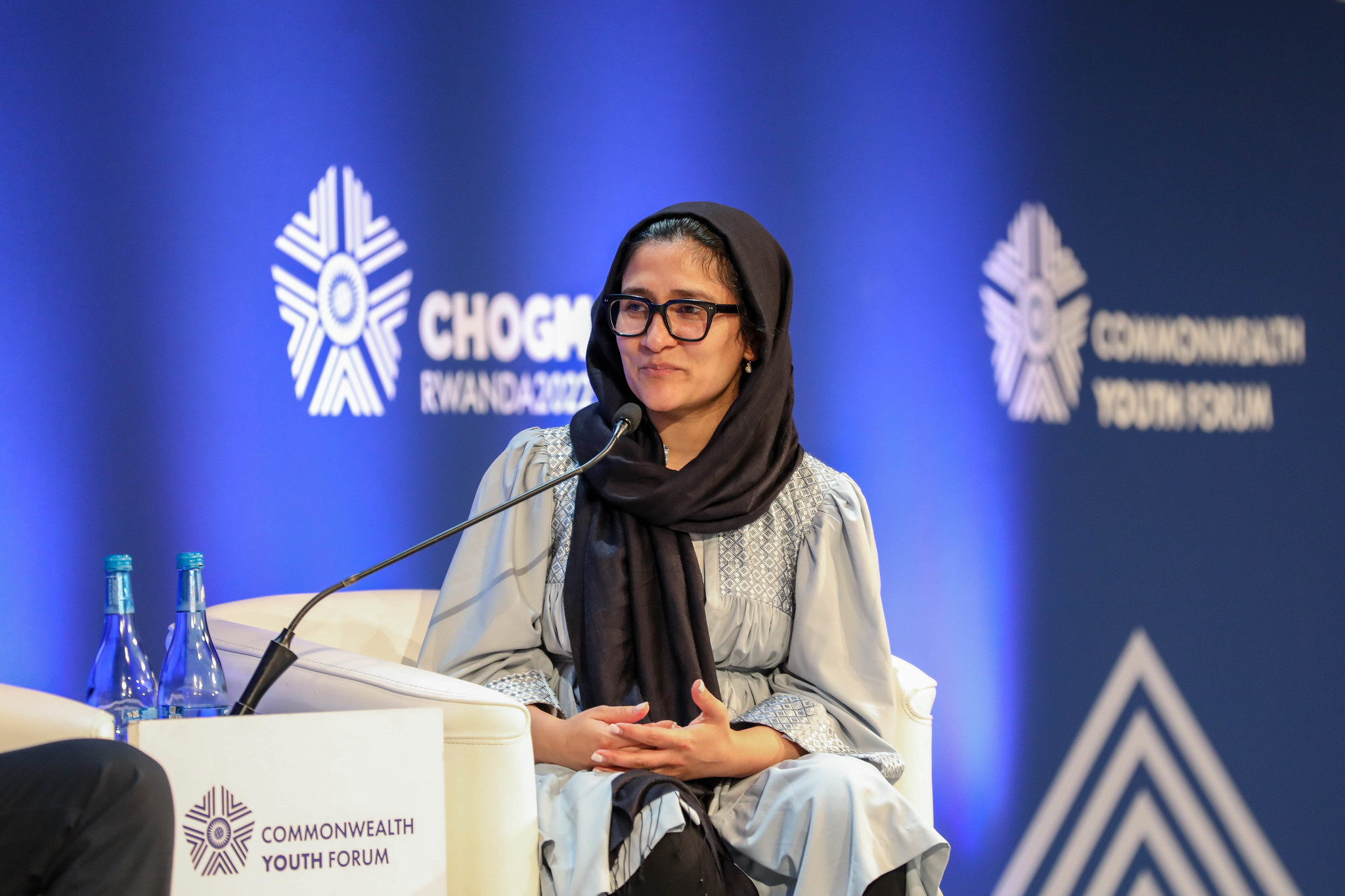
At Sandbox Holding, we are proud of Shabana Basij-Rasikh. She is one of Afghanistan’s most inspiring education leaders and advocates for girls’ rights. She has shown that with courage, determination, and vision, it is possible to change lives and create opportunities, even in the most difficult conditions.
Shabana Basij-Rasikh was born and raised in Afghanistan during a time when girls were not allowed to go to school. As a young girl, she secretly attended classes, hiding her books under her clothes to avoid being discovered. Despite the risks, she believed strongly in the power of education. Later, she had the opportunity to study abroad in the United States, where she attended Middlebury College. There, she gained knowledge, confidence, and a global perspective. But her goal was always clear to return and serve Afghan girls who, like her, dreamed of education.
After returning, Shabana co-founded the School of Leadership, Afghanistan (SOLA), the first and only all-girls boarding school for Afghan students. Through SOLA, she created a safe and empowering environment where girls could study, grow, and become future leaders of Afghanistan. When the situation in Afghanistan changed in 2021, Shabana made the difficult decision to move the school to Rwanda to protect her students and continue their education. This showed her deep commitment to her mission and her students’ future.
Beyond education, Shabana Basij-Rasikh has become a global voice for Afghan girls. She speaks on international platforms and reminds the world that education is a basic right for everyone. What makes Shabana special is not only her leadership but also her bravery and dedication to helping others. She continues to inspire thousands of young girls to believe in themselves and never give up on their dreams.
The story of Shabana Basij-Rasikh teaches us an important lesson: Education is not just about learning in a classroom. It is about courage, hope, and the power to change lives and build a better future for all.
The Entrepreneurship Story of Ehsan Bayat
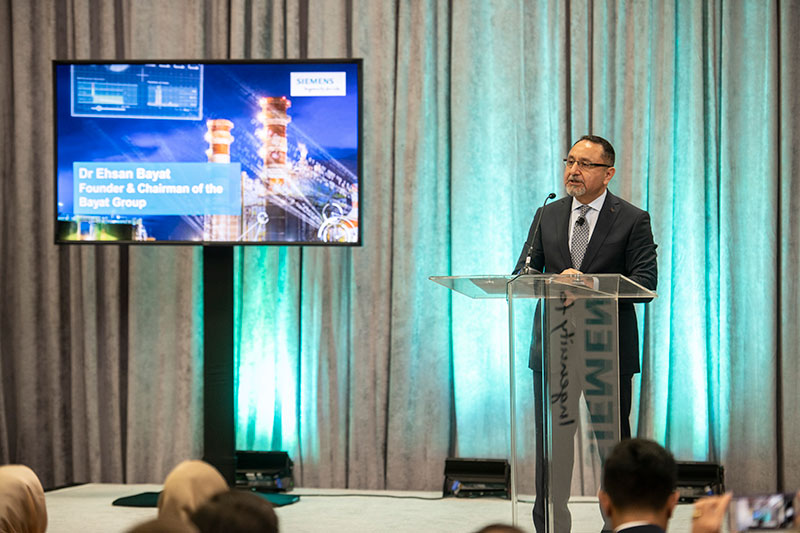
At Sandbox Holding, we are proud of Ehsan Bayat. He is one of Afghanistan’s most inspiring business leaders and helpers. He has shown that with courage, hard work, and new ideas, it is possible to change whole industries and help many people, even in hard times.
Ehsan Bayat was born in Kabul in 1963. He left Afghanistan when he was young because of war and studied in other countries. In the United States, he learned engineering and gained experience in business and technology. This prepared him to return to Afghanistan and help his country.
After the fall of the Taliban in 2001, Afghanistan needed modern telecommunications and media. Ehsan Bayat saw this chance and started the Afghan Wireless Communication Company (AWCC), the first wireless phone network in the country. This helped millions of people in Afghanistan talk to each other, do business, and get access to education.
He did not stop there. Ehsan Bayat also started Ariana Television Network (ATN) and ARIANA FM, which became important channels for news, entertainment, and culture in Afghanistan. These media platforms helped people share their voice, support local talent, and build a stronger society.
Besides business, Ehsan Bayat helps people through the Bayat Foundation. He supports schools, hospitals, and public projects, helping poor communities and making Afghanistan better for the future.
What makes Ehsan Bayat special is not only his business success but also his care for the country, society, and people. The world has recognized him for his work in both business and helping people.
The story of Ehsan Bayat teaches us an important lesson:
Entrepreneurship is not just about making companies. It is about creating chances, helping communities, and building a better future for everyone.
The Entrepreneurship Story of Farshid Ghyasi
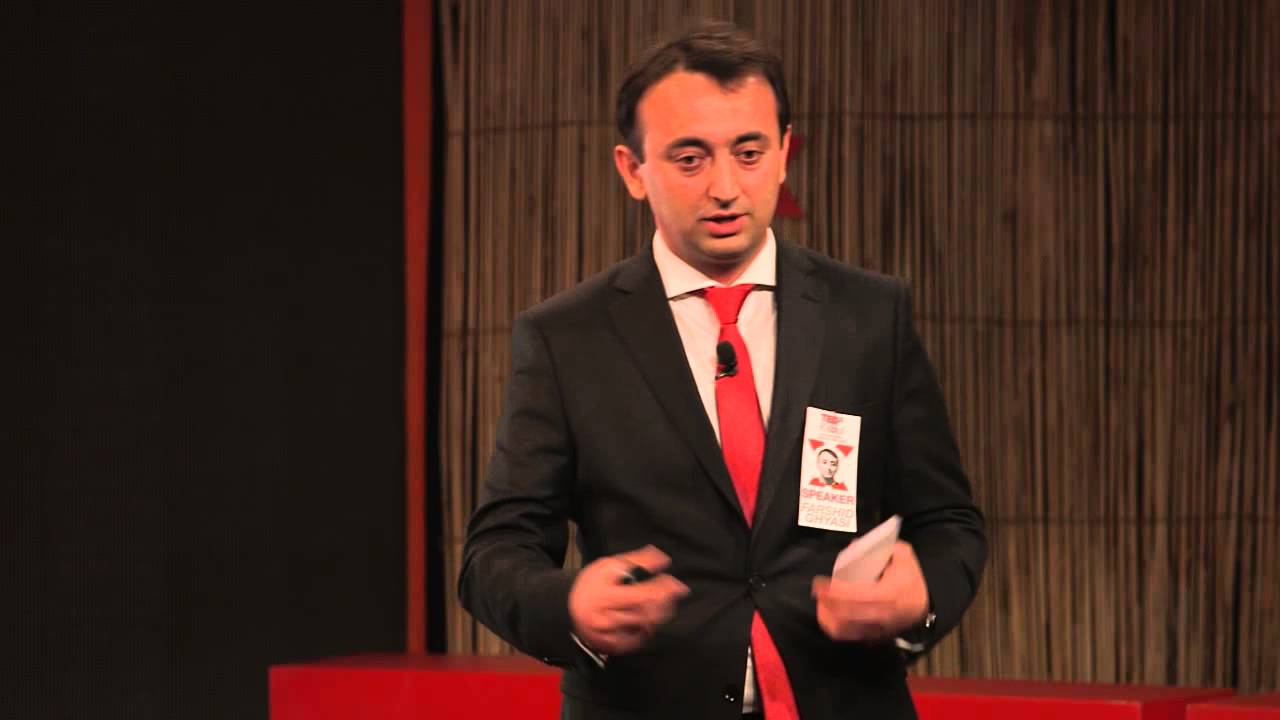
At Sandbox Holding, we are proud of Farshid Ghyasi. In Afghanistan, he is known as an inspiring entrepreneur someone who shows that with vision, hard work, and knowledge, it is possible to build successful businesses even in difficult situations.
After working in ICT (Information and Communication Technology) and technology management, including jobs with the UNDP in Afghanistan, Farshid Ghyasi made an important choice: to use his skills to grow Afghanistan’s technology and digital economy. This was the start of his journey as an entrepreneur.
In 2008, he started NETLINKS, a technology company that provides ICT solutions, web development, mobile marketing, and online business services. Under his guidance, NETLINKs became a center for innovation in Afghanistan, helping companies use modern technology and grow their online presence.
Seeing the need for digital platforms in Afghanistan, Farshid Ghyasi also created Jobs.af the country’s largest online job website. Jobs.af changed the way people find work in Afghanistan by connecting employers with talented job seekers. It has helped thousands of people find jobs and helped businesses grow by finding the right staff.
What makes Farshid Ghyasi’s story special is not just his business success, but also his dedication to creating jobs, helping local talent grow, and building a strong business and technology community in Afghanistan.
His story teaches an important lesson:
Entrepreneurship is not only about starting businesses it is about creating a better future for everyone.
The Entrepreneurship Story of Roya Mahboob

At Sandbox Holding, we are proud to highlight inspiring leaders who demonstrate that entrepreneurship can transform societies.
One of the most remarkable examples from Afghanistan’s technology sector is Roya Mahboob an entrepreneur whose vision and determination have helped open new opportunities for women in the digital economy.
In Afghanistan’s modern business landscape, Roya Mahboob is widely recognized as a pioneering tech entrepreneur and advocate for digital empowerment.
Her journey shows that innovation, courage, and a clear mission can create lasting impact even in environments where opportunities are limited.
After studying computer science at Herat University, Roya Mahboob began exploring how technology could empower young people especially women in Afghanistan. At a time when very few women were active in the technology sector, she decided to build something new and transformative.
In 2010, she founded afghan citadel software company , one of the first female-led tech companies in Afghanistan. The company focused on software development, IT services, and digital solutions, while also creating professional opportunities for young Afghan women interested in technology.
Continuing her mission to promote digital inclusion, Roya Mahboob later founded the Digital Citizen Fund, an initiative dedicated to teaching Afghan girls coding, financial literacy, and digital entrepreneurship. Through this platform, thousands of young women gained access to education, technology, and global opportunities.
She also co-founded the Afghan Girls Robotics Team, a group of talented students who represented Afghanistan in international robotics competitions and became a global symbol of resilience, innovation, and the power of education.
What truly distinguishes Roya Mahboob journey is not only her success as a technology entrepreneur, but also her dedication to empowering the next generation.
Her work has contributed to building digital skills, expanding opportunities for women, and inspiring a new wave of entrepreneurs across Afghanistan.
Her story reminds us of an important truth:
Entrepreneurship is not only about building companies it is about creating opportunities, empowering communities, and shaping a better future for the next generation.
The Entrepreneurship Story of Sanzar Kakar

at Sandbox Holding we are proud of Sanzar Kakar In Afghanistan’s business landscape, Sanzar Kakar is widely recognized as an inspiring entrepreneurial figure someone who has shown that with knowledge, strategic vision, and perseverance, it is possible to build successful and sustainable businesses even in challenging environments.
After earning a degree in Computer Engineering from the University of Pennsylvania and gaining professional experience in the financial sector in the United States, Sanzar Kakar made a bold decision: to return to Afghanistan and contribute to the development of the country’s economy and the growth of its private sector. This decision marked the beginning of his entrepreneurial journey.
In 2009, he founded Afghanistan Financial Services, a company that later evolved into Afghanistan Holding Group (AHG). The firm provides professional services in accounting, taxation, management consulting, and business advisory. Over time, it grew rapidly and became one of the leading professional services companies in Afghanistan.
Continuing his entrepreneurial path, Sanzar Kakar went on to launch several other innovative companies and initiatives, including:
• Moore Afghanistan – international accounting and advisory services
• AfghaNet Ltd – internet and information technology services
• HesabPay – a digital payment and fintech platform
• BusinessDNA Magazine – a business-focused media publication
• BBR – transportation and logistics services
• F45 Training Afghanistan – a fitness and training center
• Zinzir Ltd – a company active in technology and digital services
What truly distinguishes Sanzar Kakar’s professional journey is not only business success, but also his commitment to creating jobs, developing talent, and strengthening Afghanistan’s entrepreneurial ecosystem.
His story reminds us of an important truth:
Entrepreneurship is not only about building businesses it’s about building a better future for society.
How HesabPay Broke the Financial Deadlock in Afghanistan: A Case Study in Fintech Innovation

In the startup ecosystem, success is not just about having a great idea; it is about the ability to solve critical problems during a crisis. At Sandbox Holding, we have analyzed the growth of HesabPay as a benchmark for successful Fintech in Afghanistan.
But how did HesabPay actually pave its way when the traditional banking system was facing its toughest challenges?
1. Blockchain Technology over Bureaucracy
HesabPay smartly leveraged the Algorand network to eliminate physical limitations and time-consuming banking bureaucracy. Transactions are recorded on the blockchain instantly, with negligible commission and high security. This technological layer built the foundation of trust required by both local users and international institutions.
2. Gaining Global Trust (WFP & UNHCR)
The biggest challenge in humanitarian aid distribution is transparency. By providing a real-time reporting system, HesabPay proved to global organizations that funds reach the rightful recipients directly. This offers a vital lesson for startups: Transparency is your most valuable currency.
3. Solving Liquidity with a Digital Ecosystem
By enabling electricity bill payments, mobile top-ups for all telecom networks, and recently introducing AfPay cards, HesabPay reduced the dependency on physical banknotes. This evolution moved HesabPay from a simple payment app to a Super App deeply rooted in the daily lives of the people.
4. Network Interoperability
They were the first platform to create a seamless bridge between various banks and telecom networks, allowing money to flow effortlessly across the entire national network.
The Takeaway for Founders
The HesabPay story teaches us that true innovation means using cutting-edge technology to solve a society's most paralyzing needs. At Sandbox Holding, we believe the future of the region's digital economy will be built by startups that, like HesabPay, turn deadlocks into opportunities.
Exclusive: Big tech group supports Anthropic in Pentagon fight as investors push to de-escalate clash

A big tech industry group consisting of major Anthropic backers Amazon and Nvidia on Wednesday expressed concern over the Pentagon's decision to declare the artificial intelligence company a supply-chain risk as other investors raced to contain fallout from the lab's fight with the U.S. Defense Department.
Trump directs US agencies to toss Anthropic's AI as Pentagon calls startup a supply risk
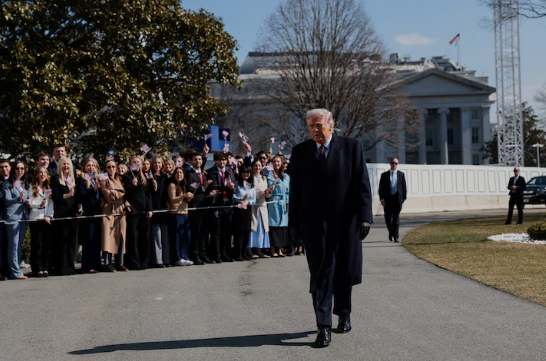
U.S. President Donald Trump is directing the government to stop work with Anthropic, and the Pentagon said it would declare the startup a supply-chain risk, dealing a major blow to the AI lab after a showdown about technology guardrails.
OpenAI fires employee for using confidential info on prediction markets

OpenAI has fired an employee over the employee’s activity on prediction markets, including Polymarket, the company confirmed to Wired. The employee used confidential OpenAI information in connection with the trades made, the company alleges.
OpenAI didn’t release the name of the employee. However, a spokesperson said that such actions violated a company policy that bans workers from using inside information for personal gain, including on prediction markets.
OpenAI reaches deal to deploy AI models on U.S. Department of War classified network

Feb 27 (Reuters) - OpenAI CEO Sam Altman said on Friday it has reached an agreement with the U.S. Department of War to deploy its AI models on classified cloud networks.
"In all of our interactions, the DoW displayed a deep respect for safety and a desire to partner to achieve the best possible outcome," Altman said in a post on X.
Regular Meeting of the Economic Commission Held
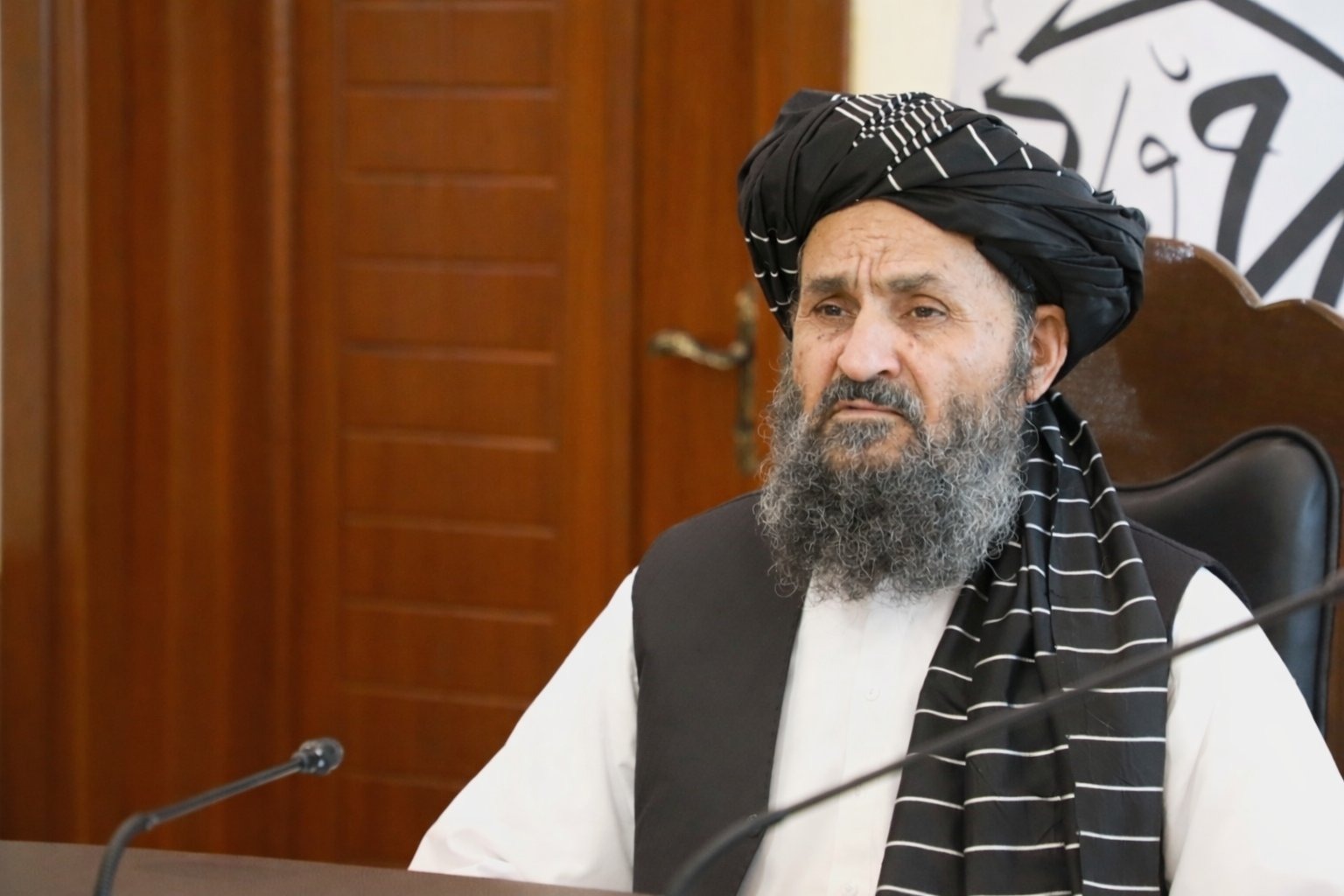
The regular meeting of the Economic Commission was held today, Tuesday, February 24, 2026, at the Marmarin Palace under the chairmanship of the Deputy PM for Economic Affairs, Mullah Abdul Ghani Baradar.
At the meeting, the Ministry of Finance presented and received approval for a report on new revenue opportunities. According to the report, the Ministry of Finance has identified new opportunities for increasing revenues in various sectors. After the approval and endorsement of the respective plans for each opportunity, the budget of the Islamic Emirate is expected to gain approximately 60 billion Afghanis in additional long-term revenues.
During this regular meeting of the Economic Commission, 12 draft domestic standards and 11 testing methods proposed by the National Standards and Quality Authority were also approved. These drafts relate to construction materials, electrical and medical equipment and instruments, textiles, plastics, and dairy products, while the testing methods relate to food and agricultural products.
The meeting also reviewed and approved a report submitted by the Ministry of Water and Energy regarding the pipeline project for transferring water from Panjshir to Kabul. According to the report, the Ministry of Finance will allocate a budget to the Ministry of Water and Energy for the survey and design of the project. The Ministry of Finance was also instructed to transfer the allocated budget to the State Water Supply Corporation for supplying water from the Shah wa Arous Dam to the northern areas of Kabul City, and the Corporation is to begin the practical work of survey and design.
Furthermore, the State Water Supply Corporation was instructed to submit its implementation plan to the Ministry of Finance for completing the remaining works of the (MDP) water supply project, and the Ministry of Finance will allocate the budget in accordance with the implementation plan. The General Directorate of State-Owned Enterprises was also instructed to allocate a budget to the State Water Supply Corporation for the survey and design of water supply projects in Kabul City.
At the end of the meeting, reports on several follow-up issues were also presented, and the relevant institutions were given the necessary instructions.
The above decisions were submitted to the office of the esteemed Amir Ul Muminin for final decision-making.
The National Procurement Commission Approved 22 Projects Worth About 10.2 Billion Afghanis
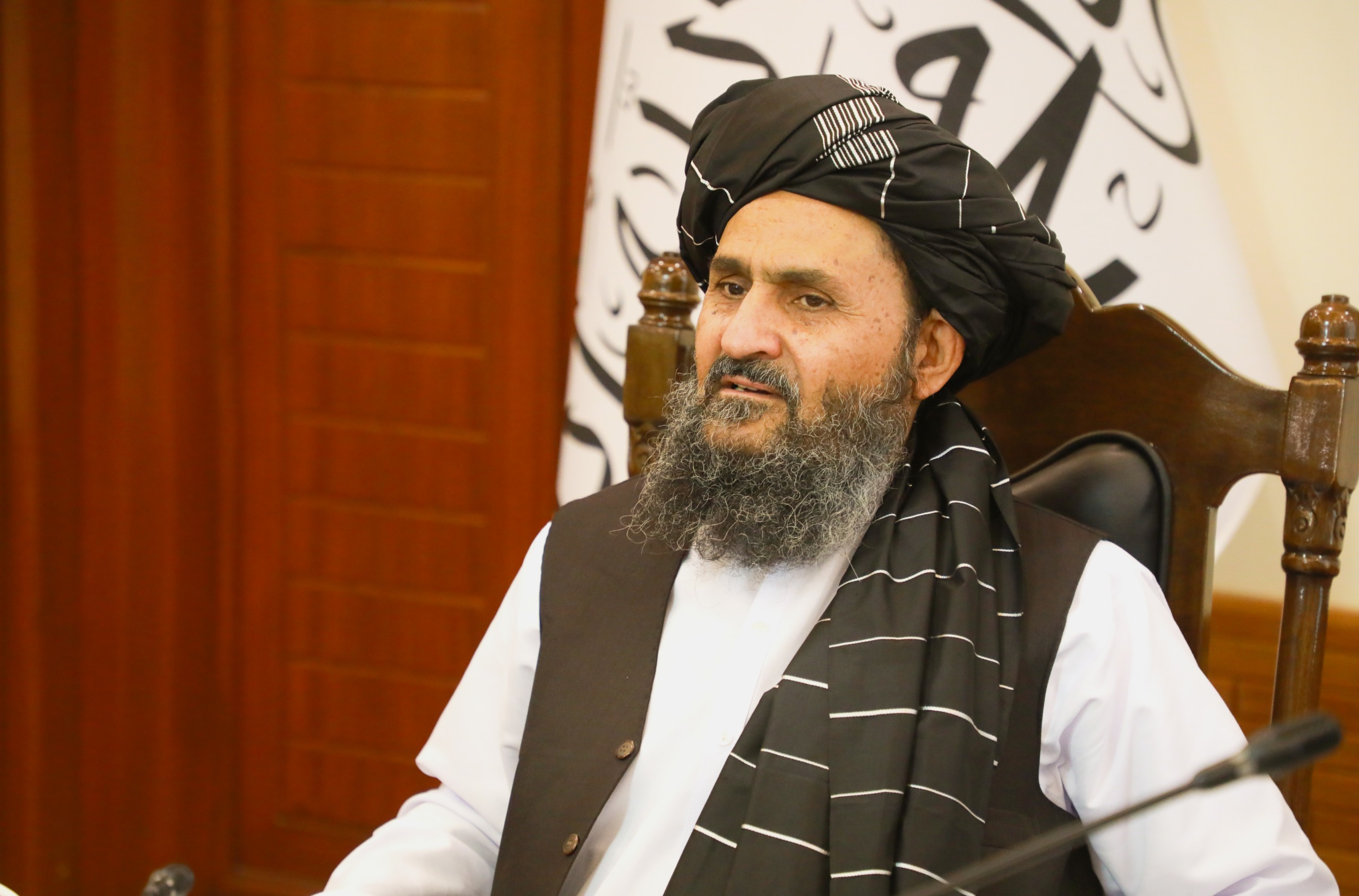
The regular meeting of the National Procurement Commission was held today, Saturday, February 21, 2026, at the Marmarin Palace, under the chairmanship of the Deputy PM for Economic Affairs, Mullah Abdul Ghani Baradar Akhund. According to the agenda, 37 projects were presented to the meeting for approval.
After discussion, 22 projects worth 10.2 billion Afghanis were approved, and a number of amendments were introduced to 7 projects. Tasks were also assigned to designated committees regarding four projects to negotiate project prices with the winning companies and submit their reports to the leadership of the National Procurement Commission.
The contracts of two projects were cancelled because the winning companies were not willing to complete the projects at the agreed contractual prices. It was therefore decided that these projects would be re-announced for open bidding. Another project was also re-announced for open bidding because the prices proposed by companies during the tender process were significantly higher than the estimated project cost. Furthermore, for one project, the relevant authority was instructed to implement it through a designated joint committee.
Additionally, one company was referred to the Debarment Committee due to work-related violations and complaints from government institutions.
The approved and amended projects include the second phase of the Qosh Tepa Canal, construction of the terminal and parking area at Ahmad Shah Baba International Airport in Kandahar, construction of a passenger and freight vehicle terminal in the center of Farah Province, construction of a 20-kilometer road from Aybak to Roy Do Ab in Samangan Province, construction of public hospitals in Yawan District of Badakhshan Province, Dand Patan District of Paktia Province, and Gulran District of Herat Province, as well as completion of remaining works on electricity supply and distribution projects in various provinces.
The approved projects will be funded by the Islamic Emirate of Afghanistan
Meeting of the Afghanistan Private Sector Negotiation Committee with Pakistan’s Private Sector Held
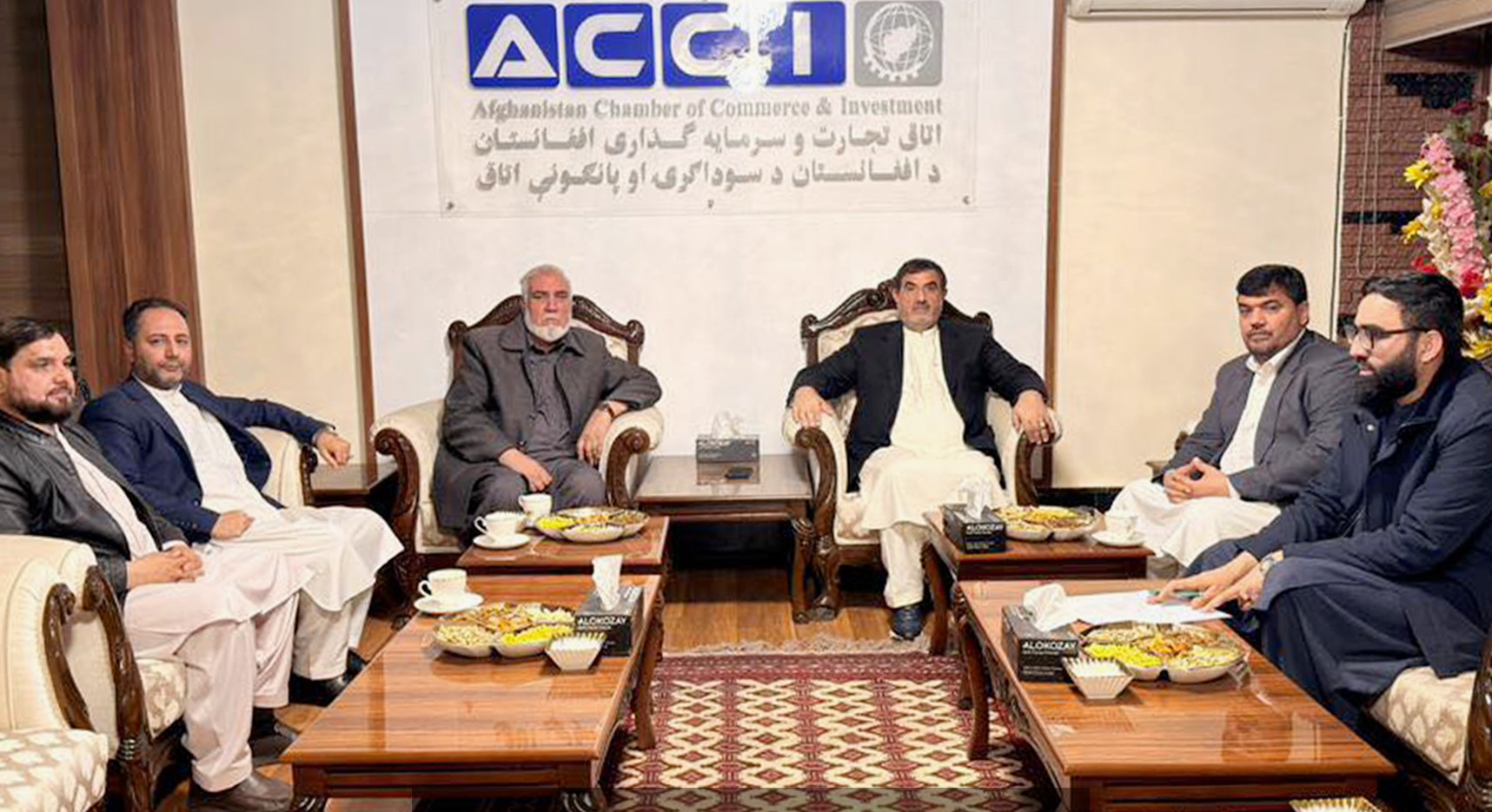
The meeting, chaired by Mr. Alhaj Sayed Karim Hashemi, Chairman of the Afghanistan Chamber of Commerce and Investment(ACCI), focused on coordination and improvement of the work of the said committee, with participants exchanging views and opinions.
It is worth mentioning that earlier, the Chambers of Commerce and Industry of Pakistan had proposed negotiations with the Afghanistan Chamber of Commerce and Investment in order to resolve trade and transit-related challenges between the two countries, including the reopening of trade routes. This proposal was welcomed by the Afghanistan Chamber of Commerce and Investment, and several online meetings were subsequently held for this purpose.
Following online meetings held on 30.12.2025 and 04.01.2026 between the Afghanistan Chamber of Commerce and Investment and the Pakistan Chamber of Commerce and Industry, the Pakistani side requested the formation of seven-member committees from both sides. This request was approved by the Afghanistan Chamber of Commerce and Investment.
As a first step, the Pakistan Chamber of Commerce and Industry officially introduced the members of its committee to the Afghan side. Subsequently, the members of the Afghanistan Chamber of Commerce and Investment’s committee were also officially introduced to Pakistan.
It was agreed that both sides would hold a meeting of the seven-member committees in the zero point area along the imaginary border (Torkham) on Tuesday, 06.01.2026. However, the Pakistani side expressed apologies and requested that the meeting be postponed to Thursday, 08.01.2026. To date, no confirmation or update has been received from the Pakistan Chamber of Commerce and Industry regarding participation in the proposed meeting.
Respected traders and all honorable members of the private sector are hereby informed.
Chairman of Afghanistan Chamber of Commerce Meets Chinese Experts on Oil Refinery Development
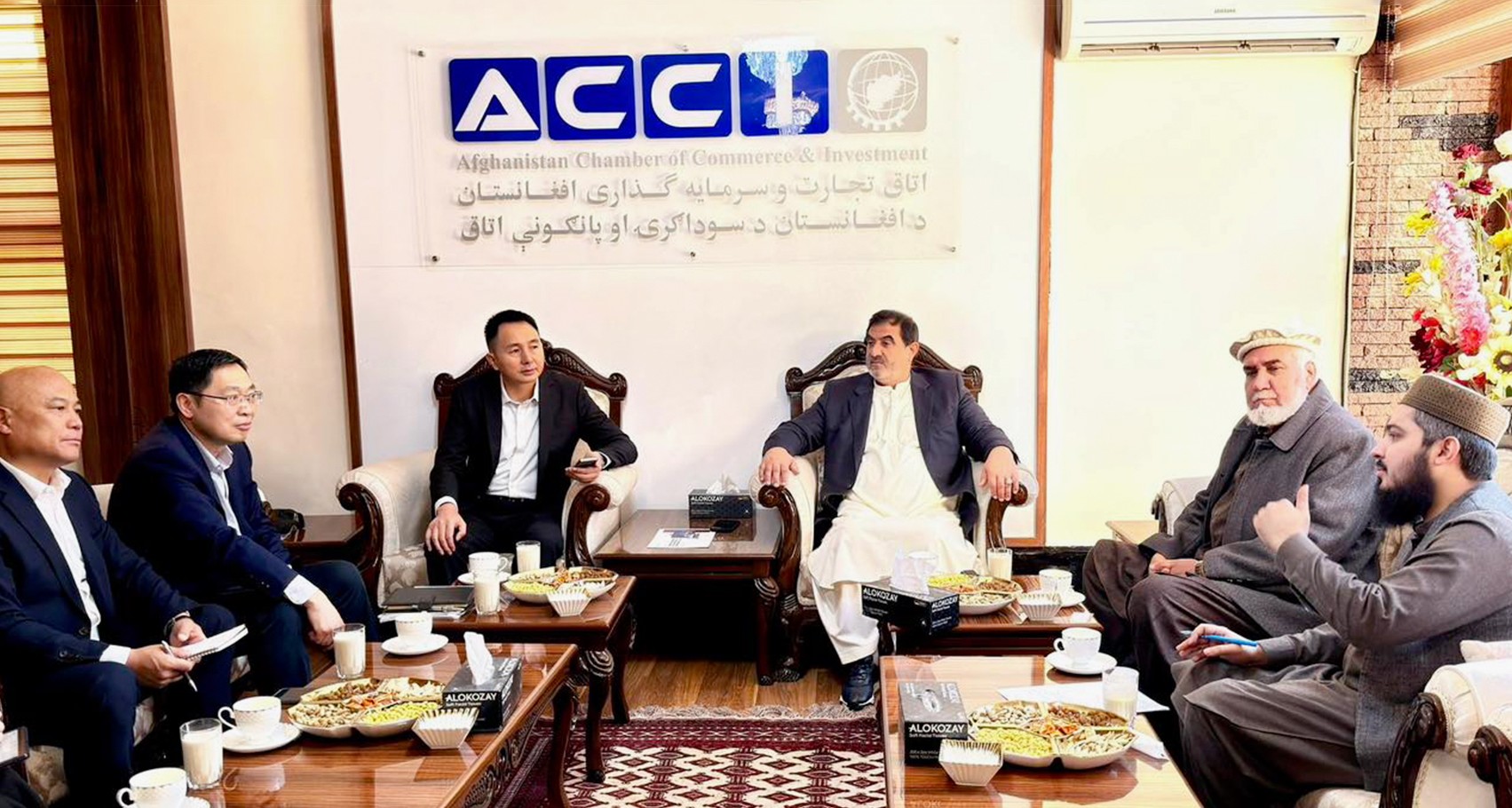
Mr. Alhaj Sayed Karim Hashemi, Chairman of the Afghanistan Chamber of Commerce and Investment(ACCI), met with some Chinese experts specializing in the construction of oil refineries.
At the beginning of the meeting, Mr. Hashemi expressed his satisfaction with the interest shown by Chinese investors in investing in Afghanistan and emphasized that the investment climate in the country is favorable. He stated that Chinese companies can invest in various economic sectors, particularly in the mining and energy sectors.
The Chairman of the Chamber added that the Chamber of Commerce is making efforts to establish a large joint-stock company for the purpose of building oil refineries in Afghanistan. In this regard, comprehensive discussions were held with Chinese experts who have extensive experience in oil refinery construction in China on the technical and structural aspects of the project.
At the conclusion of the meeting, the Chinese experts invited the Chairman of the Chamber to visit their company in China to hold detailed discussions and exchange views on the refinery’s plan and design.
Meeting of the Chairman of the ACCI with Officials of the Economic Section of the Russian Embassy in Kabul
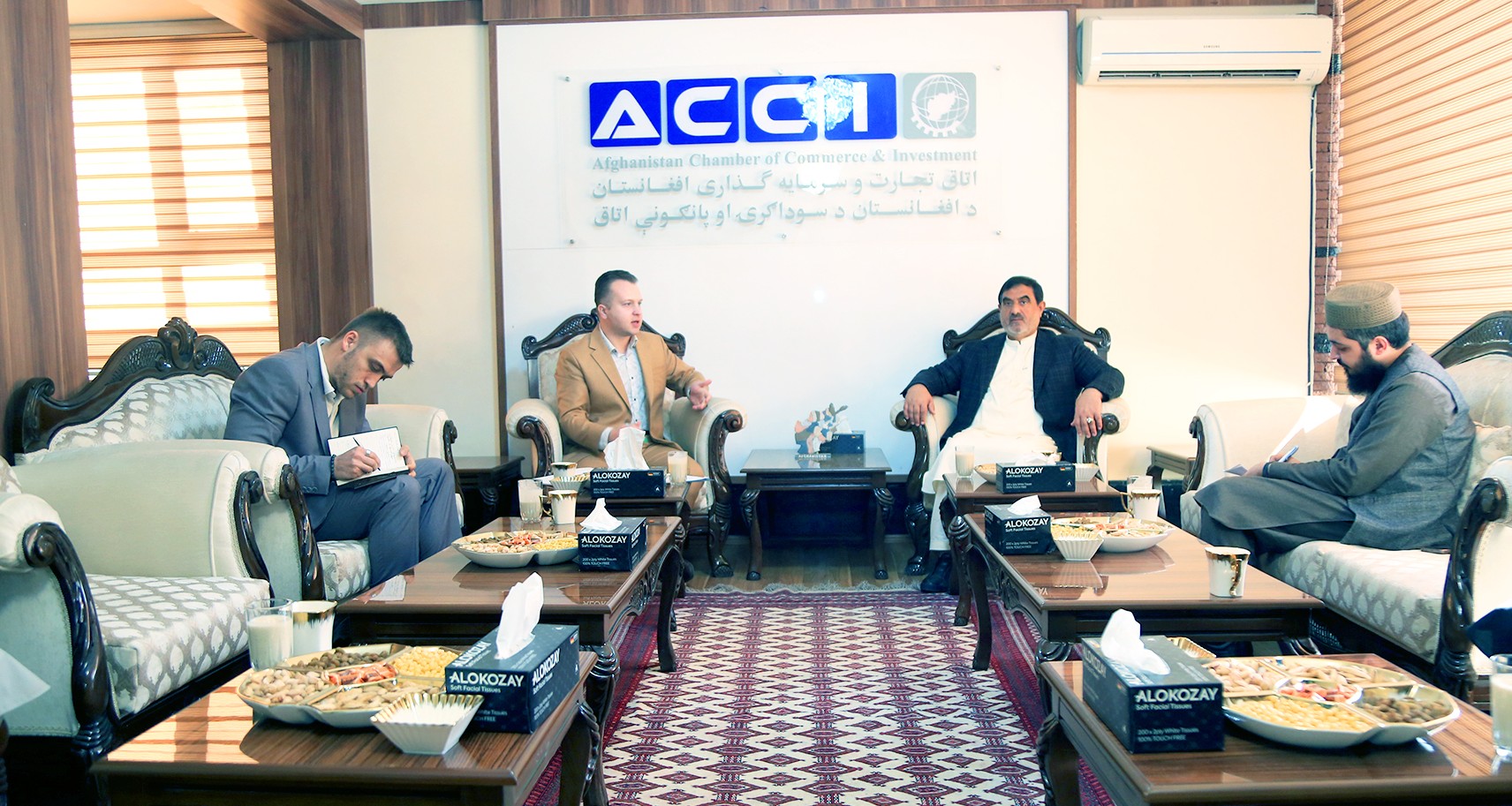
Mr. Alhaj Sayed Karim Hashemi, Chairman of the Afghanistan Chamber of Commerce and Investment, met in his office with Mr. Nikolai Vyafgin, Head of the Economic Section of the Russian Embassy for Afghanistan, and his accompanying delegation. During the meeting, both sides discussed and exchanged views on expanding economic and commercial cooperation between Afghanistan and Russia.
Mr. Hashemi welcomed the officials of the Economic Section of the Russian Embassy and emphasized the development of trade relations between the two countries.
He further added that the Chamber of Commerce and Investment plans to establish a large petroleum refinery in Afghanistan on a joint-stock basis, which can increase the country’s oil production and refining capacity and create extensive employment opportunities.
He requested the officials of the Russian Embassy to encourage Russian engineers and specialists to cooperate technically in the construction of the refinery and also to introduce Afghan traders to major Russian petroleum factories.
The officials of the Economic Section of the Russian Embassy welcomed the views and proposals presented by the President of the Chamber and noted the readiness of Russian traders to engage in trade with Afghan businessmen. They assured that the Russian Embassy in Kabul will support the proposals of the Afghanistan Chamber of Commerce and Investment that contribute to strengthening bilateral cooperation.
Afghanistan and Uzbekistan have signed 25 commercial memorandums of understanding worth more than $300 million, marking a significant boost to bilateral economic cooperation.
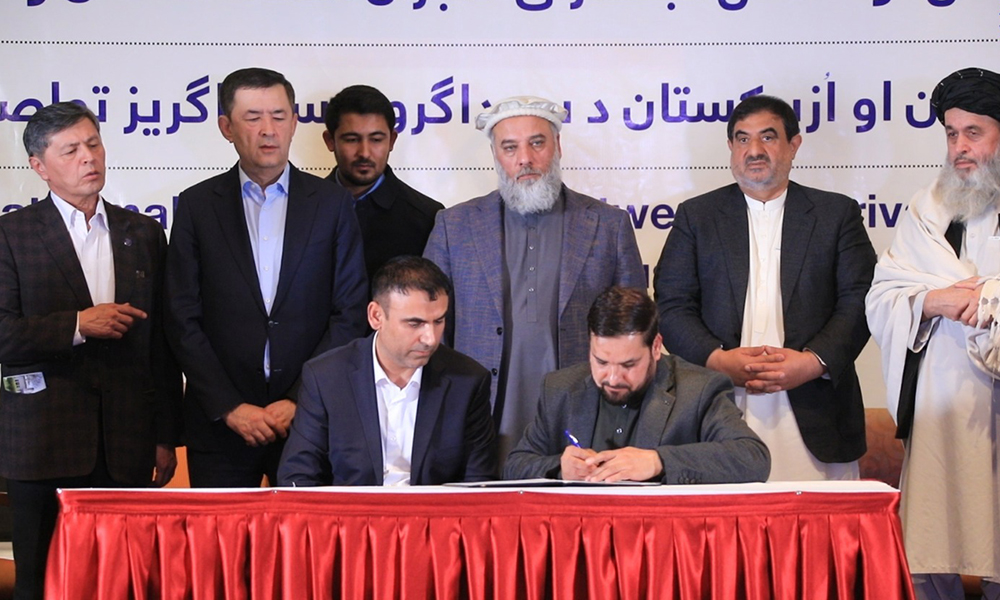
The agreements were concluded at a trade connectivity conference attended by Afghanistan’s Minister of Industry and Commerce, Nooruddin Azizi, and the Governor of Uzbekistan’s Syrdarya region, Erkinjon Turdimov, along with senior officials and business leaders from both countries.
Azizi said there is strong political and economic momentum behind expanding bilateral ties, noting that trade between the two sides has grown at an unprecedented pace in recent years. He added that both countries aim to increase trade volumes in 2025 compared to 2024, pointing to significant untapped potential.
He also highlighted preferential trade arrangements
covering eight Afghan export items and six Uzbek products.
Turdimov underscored the long-standing historical and economic links between the two nations and noted the active role of Afghan traders in the Syrdarya region.
He called for deeper cooperation in industry and manufacturing, encouraged joint development projects, and outlined Uzbekistan’s investment opportunities, including access to European export markets.
The newly signed agreements span key sectors such as construction, food products, agriculture, furniture, textiles, and pharmaceuticals, reflecting growing private-sector confidence and signaling a new phase in Afghanistan–Uzbekistan economic partnership.
Granting 1 to 10-year residency in Afghanistan to investors
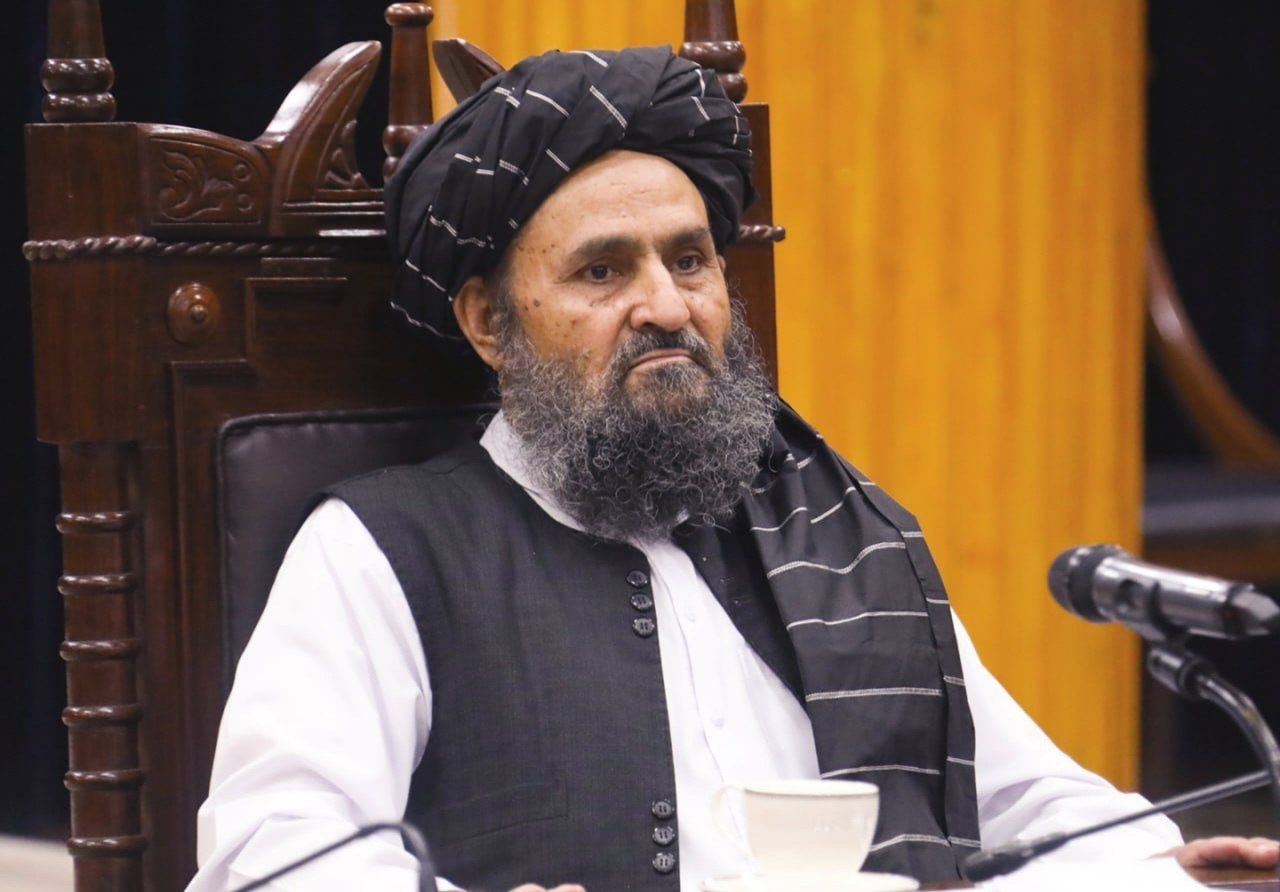
Uzbekistan–Afghanistan trade rises to $1.6 billion in 2025
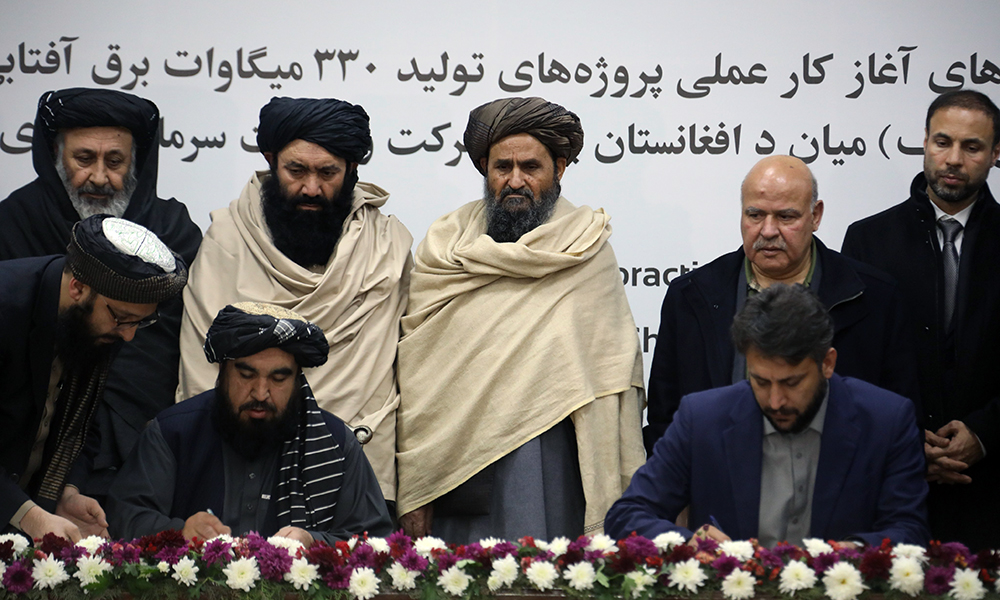
Afghanistan signs 845MW Power deal with Azizi energy; Baradar meets company Chief to advance investment plans
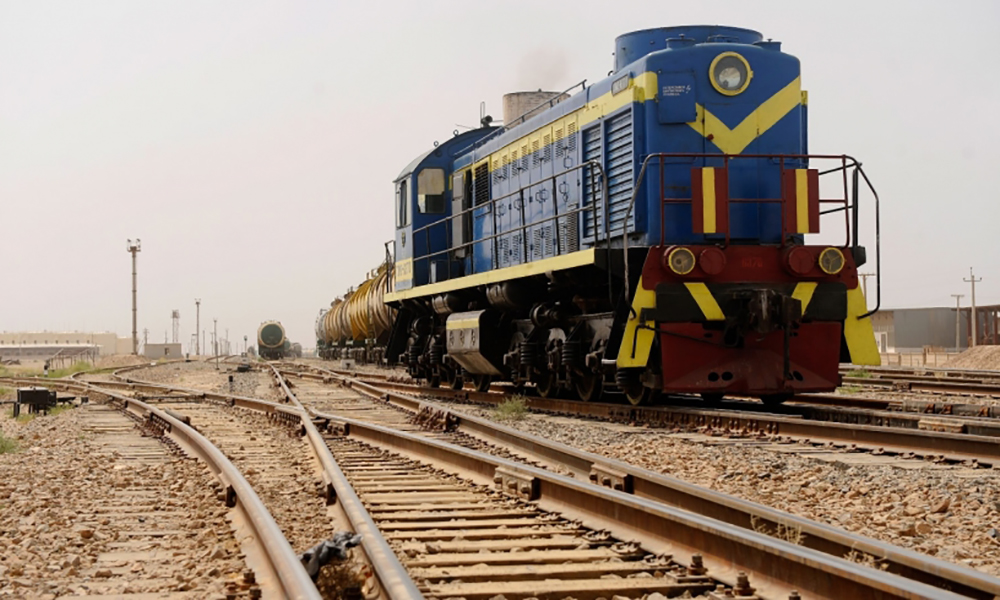
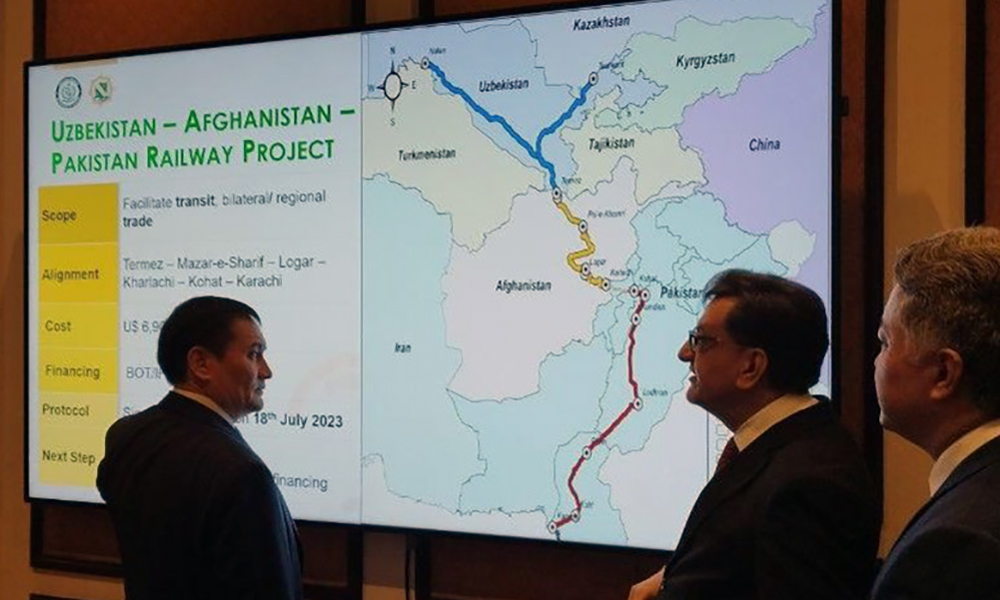
BusinessUzbekistan approves feasibility study agreement for Trans-Afghan Railway
Turkish firm eyes investment in Afghanistan’s power infrastructure